

Sustainable Habits
Why Consistency Matters More Than Intensity
By Kimmy Smith, Founder of East River Pilates
There’s a version of wellness that asks you to do everything, all at once. You’ve probably felt it before: the pressure to work out more, eat better, stretch daily, drink more water, sleep perfectly, and somehow keep all of it going without missing a beat. And when that doesn’t happen, because it usually doesn’t, it can start to feel like you’re falling behind or doing something wrong.
At ERP, we don’t really believe in that version of wellness. What we believe in instead is sustainability. It’s one of our core values, and something we consider in everything we do, from how we design our classes to how we think about long-term practice.
What Makes a Habit Sustainable
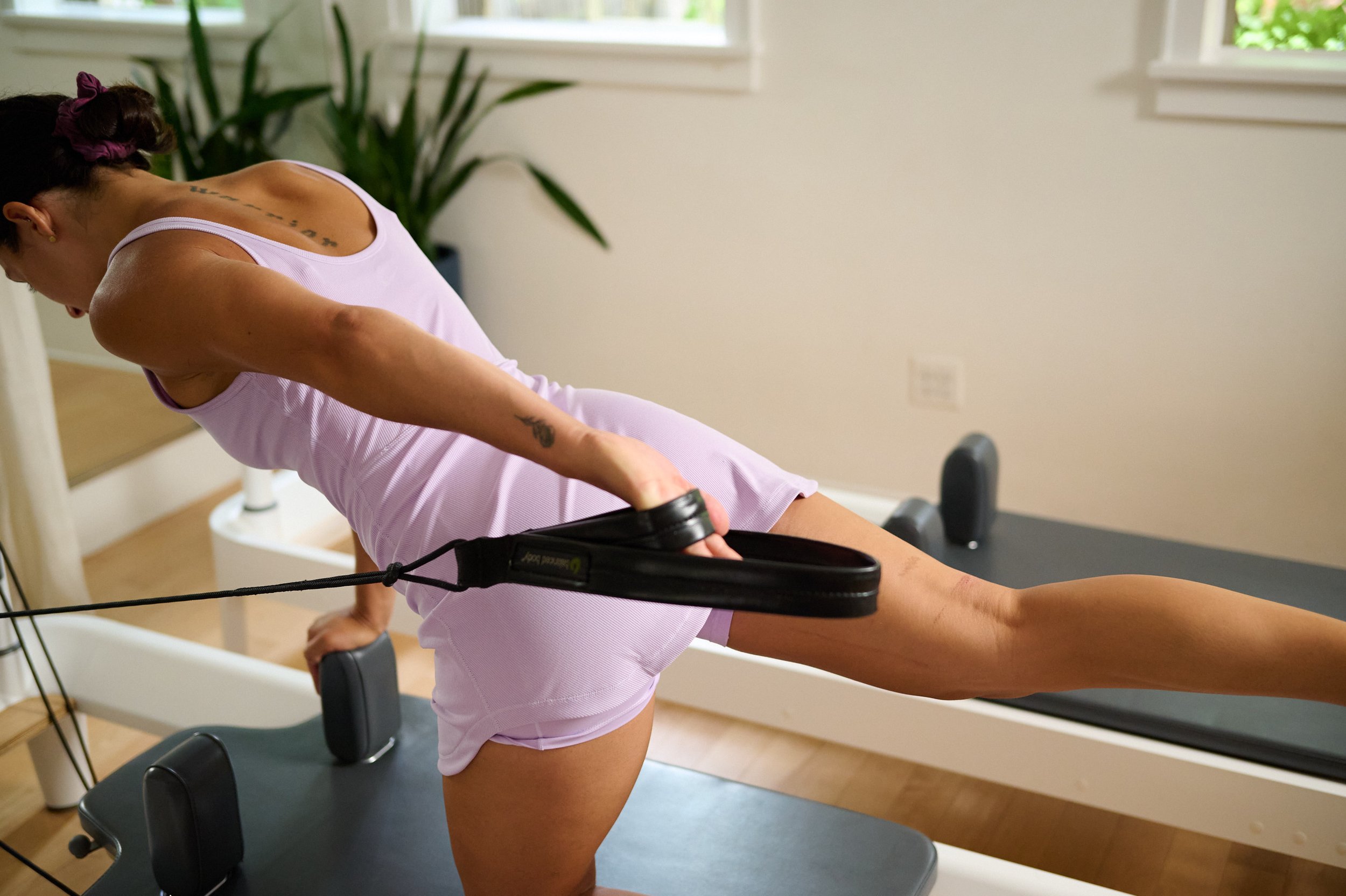
When I think about what actually sticks over time, it’s never the most ambitious routine or the most intense plan. It’s the habit that fits into your life in a way that feels realistic, even on the days when you’re busy, tired, or just not in the mood.
A sustainable habit is something you can return to again and again, not just when everything is going well, but also when things feel a little off. It supports you rather than drains you, and over time it becomes less about motivation and more about rhythm.
More Isn’t Always Better
It’s easy to assume that doing more will get you further. More classes, more effort, more structure. But what we see in the studio, over and over again, is that consistency tends to matter so much more than intensity.
Taking two classes a week, and actually sticking to that over time, is far more impactful than doing five classes in one week and then disappearing for the next three. The same goes for everything else. A short walk still counts. A ten-minute stretch still counts. Logging into a virtual class from your living room still counts.
Sustainable habits aren’t built on what you can push yourself to do once. They’re built on what you can keep coming back to.
Letting Your Practice Shift
Part of building something sustainable is allowing it to change. Some weeks feel structured and consistent, and others don’t. Some days you want something challenging and energizing, and other days your body is asking for something slower or more supportive. Both are part of the same practice.
At ERP, we really encourage people to move with that, instead of against it. That might mean taking a reformer class one day, a mat class the next, joining a virtual session from home, or choosing to go for a walk instead of coming into the studio at all.
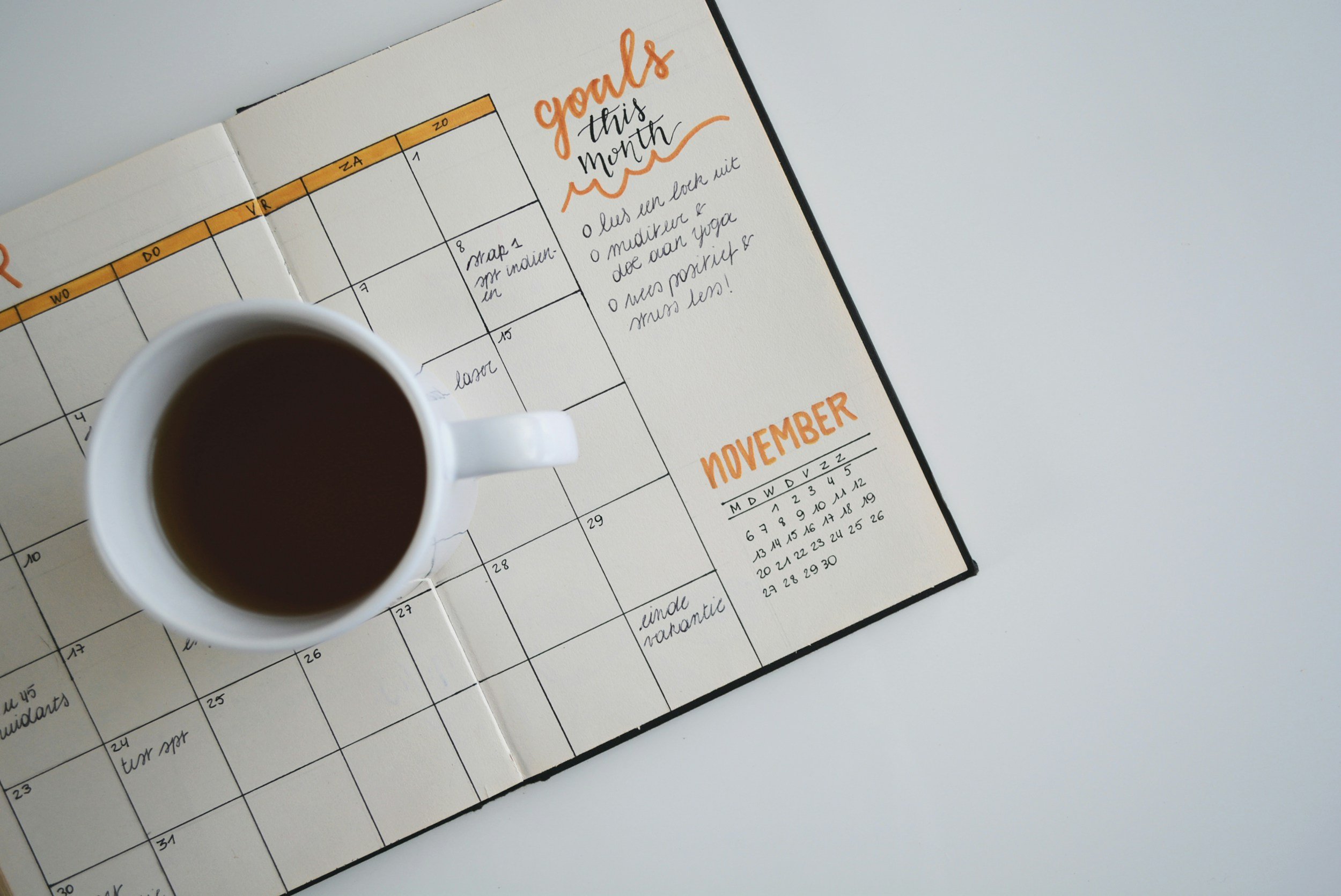
None of that is a step backward. It’s just part of staying in relationship with your body.
The Small Things That Add Up
Sustainable habits are often much quieter than we expect them to be.
They look like booking one or two classes ahead of time so you don’t have to think about it later. They look like trying a different class type when you feel stuck, or choosing something more grounding when your energy is low. They look like opening your laptop and taking a virtual class because it’s what fits into your day.
And sometimes, they look like doing less instead of more.
Those small decisions might not feel like much in the moment, but over time they’re what build a practice that actually lasts.
We Asked Our Dream Team of Leaders
Because sustainable habits look different for everyone, we asked a few members of our leadership team to share the small things they come back to again and again. Nothing complicated, just what actually works for them.
Josephine shared;
“Sustainable movement isn’t just what happens in the studio. I don’t always get a full workout in, but I try to live my Pilates practice throughout the day, checking my posture, taking a stretch break, doing a quick roll down or a few squats to reset. Those small, intentional moments keep the body from getting stuck, and over time they matter more than we think.”
Malory added,
“One thing I’ve started doing is inviting a friend to join me for a walk or a movement class. It keeps me consistent and turns something simple into time I genuinely look forward to, recharging both my social battery and my body at the same time.”
Alec’s approach leans into the rhythm of city life:
“For New Yorkers, I actually think embracing spontaneity is the best way to build consistency in movement. We have the fortune of a walkable city filled with parks and views. Adding little 15–20 minute walks to my commute or errands is a great way to get air and some light aerobic activity. Particularly in busy times when our schedules feel full, I seek unplanned moments of movement.”
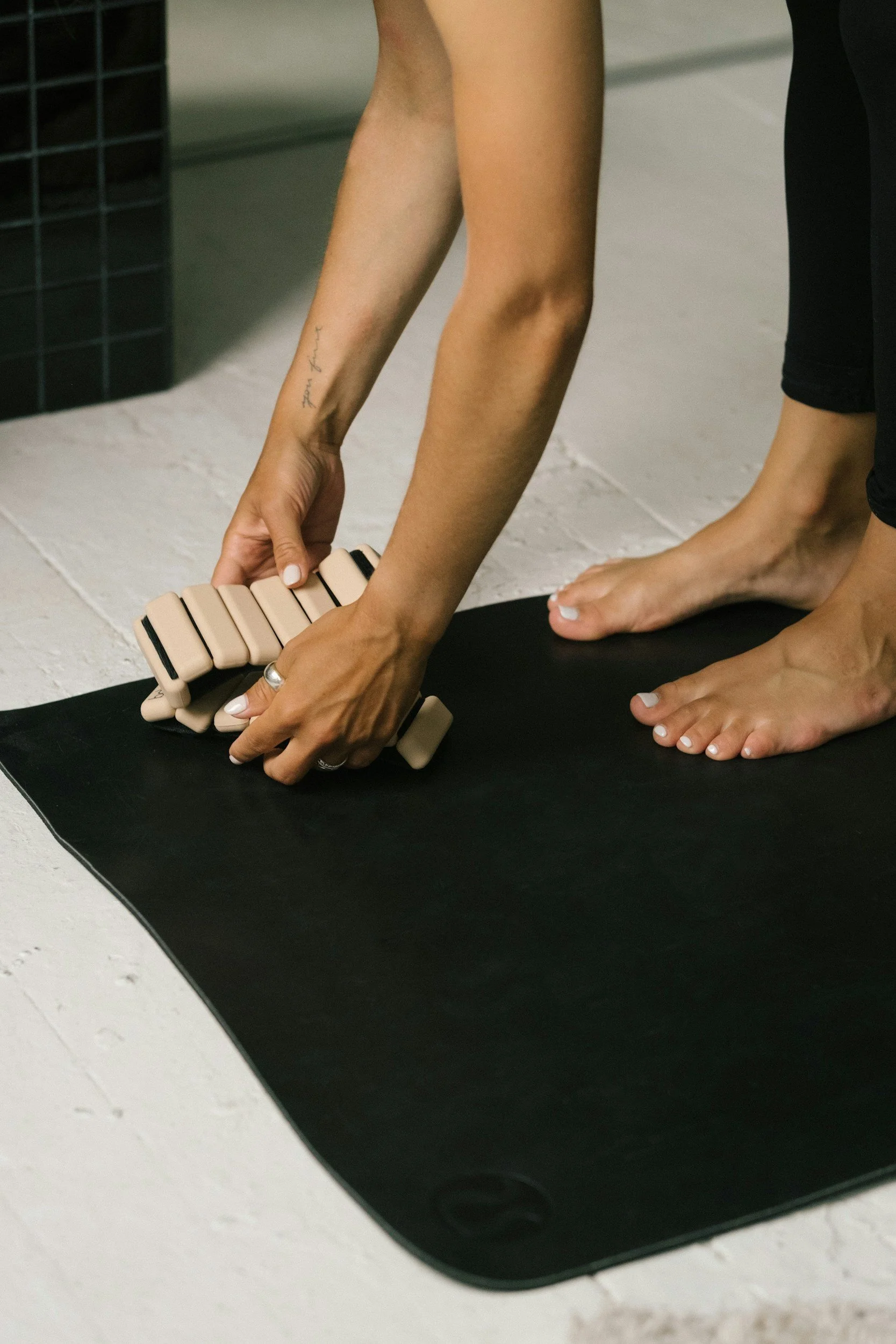
Melody and Elena both shared practical ways they stay consistent. Melody explained;
“I add all my workouts to my calendar so I can keep myself accountable. And I’ve started incorporating mini squat sessions. I’ll literally get up after a long stretch of work, take a quick break, do 10 squats or hinges, and then get back to it.”
Elena takes a more adaptive approach:
“I like to look at the week ahead and plan my workouts around that. If I’m expending a lot of energy in different areas of my life, I give myself grace to adjust, which might mean doing fewer workouts and more restorative movement some weeks.”
A Practice You Can Keep
Everything we offer at ERP is designed with this in mind. Whether you’re coming into the studio, taking a mat class, or joining us online, the goal isn’t to do everything. It’s to find something that works for you and to keep coming back to it.
That might look different for everyone. Some people build their routine around Reformer Pilates, focusing on strength, precision, and support. Others gravitate toward Mat Pilates, where the work is more internal and something you can take anywhere. Some weeks call for Cardio & Condition, when you want to feel energized and challenged, while other times your body might need Mobility & Release, with more space to slow down, stretch, and reset.
Each of these class types offers something different, and over time, learning how to move between them is part of what makes a practice sustainable. Because the most effective practice isn’t the most intense one. It’s the one you can sustain.
This Is Long-Term Work
Sustainable habits don’t create instant transformation, and they’re not supposed to. What they create instead is something steadier. They build trust in your body. They create a sense of consistency that you can rely on. And they allow your relationship with movement to evolve over time, instead of starting over again and again.
That kind of change is quieter, but it lasts.
Until next time, we hope to see you again soon in the studio.
With warmth,
Kimmy